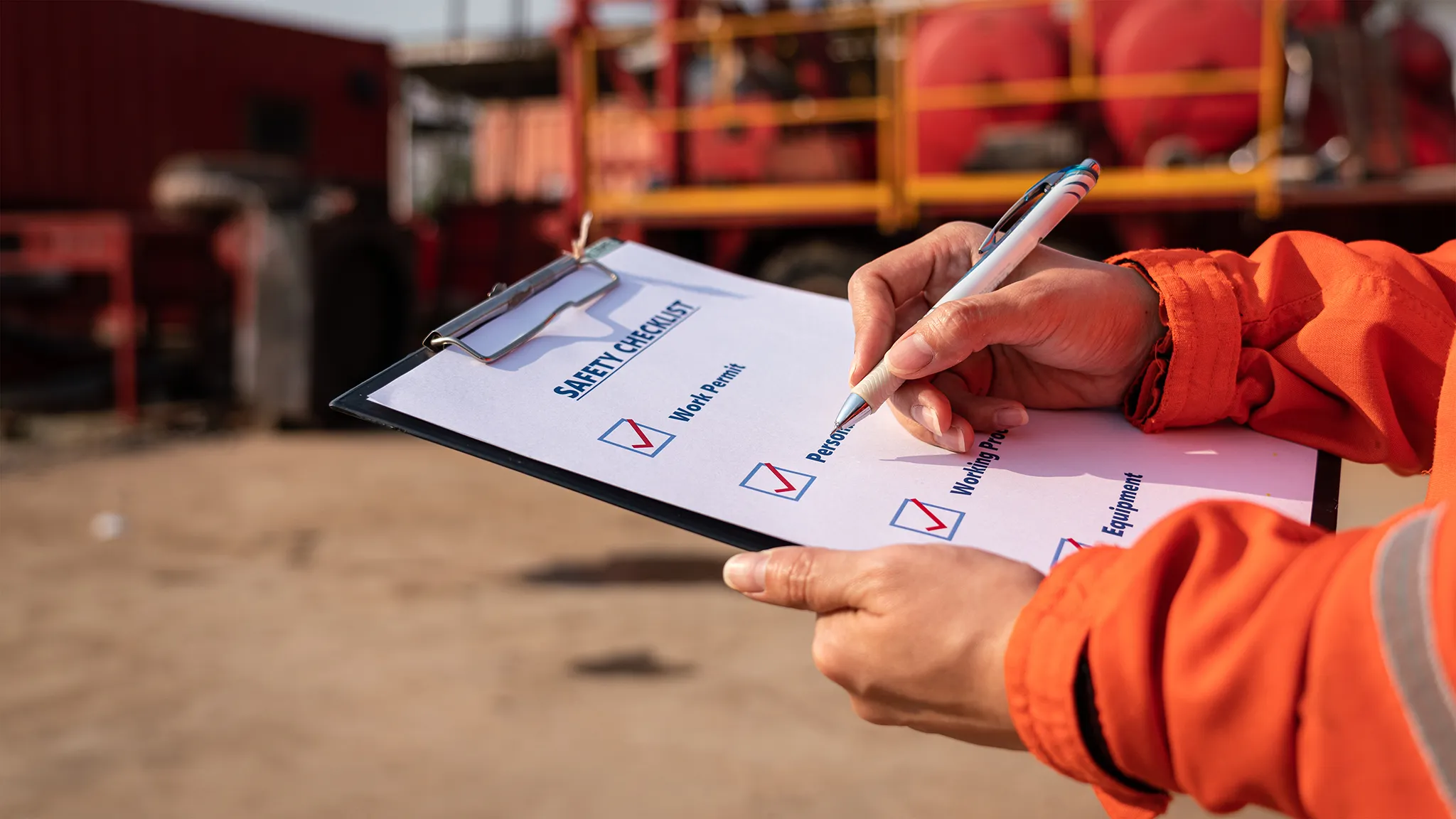
Forms That Keep Us Safe
This page explains how RedBlue teams across HVAC, Electrical, Plumbing, and Sheet Metal should report hazards, near misses, and incidents in BC.
Reporting is not about blame. It is about preventing repeats, fixing hazards quickly, and meeting our obligations.
Hazard, Near Miss, or Incident
Hazard
An unsafe condition or act you notice before anything happens.
In BC, workers must report unsafe conditions as soon as possible, and the report must be investigated with corrective action taken without delay. (worksafebc.com)
Near miss
Something almost happened. No injury, but the risk was real.
Near misses can trigger an employer investigation depending on the seriousness. (worksafebc.com)
Incident
Something happened. Injury, exposure, property damage, or a serious event.
When in doubt, report it. Reporting early is always the right call.
What to Submit and When
Submit a Hazard Report
Unsafe conditions or acts
Missing guards, damaged ladders, unsafe access, blocked exits
Chemical exposure risks, missing labels, missing SDS access
Submit a Near Miss Report
Dropped objects, close calls with vehicles, almost-falls
Arc flash close calls, unplanned energization
Refrigerant or gas close calls, pressure releases
Submit an Incident Report immediately
Any injury or medical attention
Any exposure that might need follow up
Any event that should be investigated
Video is for training support. Always follow WorkSafeBC requirements and stricter site rules.
When WorkSafeBC Must Be Notified
In BC, employers must immediately notify WorkSafeBC for certain serious incidents (example: serious injury, fatality, major release of a hazardous substance, structural collapse). (worksafebc.com)
If you think it might qualify, escalate it immediately to your supervisor and the safety lead. Do not wait for end of shift.
Incident Investigations
Employers are responsible for investigating certain incidents and near misses and submitting an investigation report to WorkSafeBC when required. (worksafebc.com)
RedBlue’s internal process is:
Make the area safe
Get first aid or medical care if needed
Notify supervisor and dispatch as required
Document quickly while details are fresh
Preserve evidence when safe to do so
Cooperate with any investigation steps
Video is for training support. Always follow WorkSafeBC requirements and stricter site rules.
What to Include in a Good Report
Keep it simple and factual:
Date, time, location
Trade and task being performed
What happened or what almost happened
What hazards were present
What controls were in place
What PPE was worn
Photos if safe and allowed
Immediate corrective action taken
What would prevent a repeat
Chemical and SDS Notes
If a chemical is involved:
Confirm the product label and the SDS are available.
In BC, hazardous products must have labels and an SDS, and workers should know how to use them. (worksafebc.com)
Quick Decision Guide
Report it now if:
Someone got hurt or nearly got hurt
You see an unsafe condition
There was unexpected energization, release, or failure
You are unsure
Workers reporting unsafe conditions is not optional. It is a duty under BC rules. (worksafebc.com)